




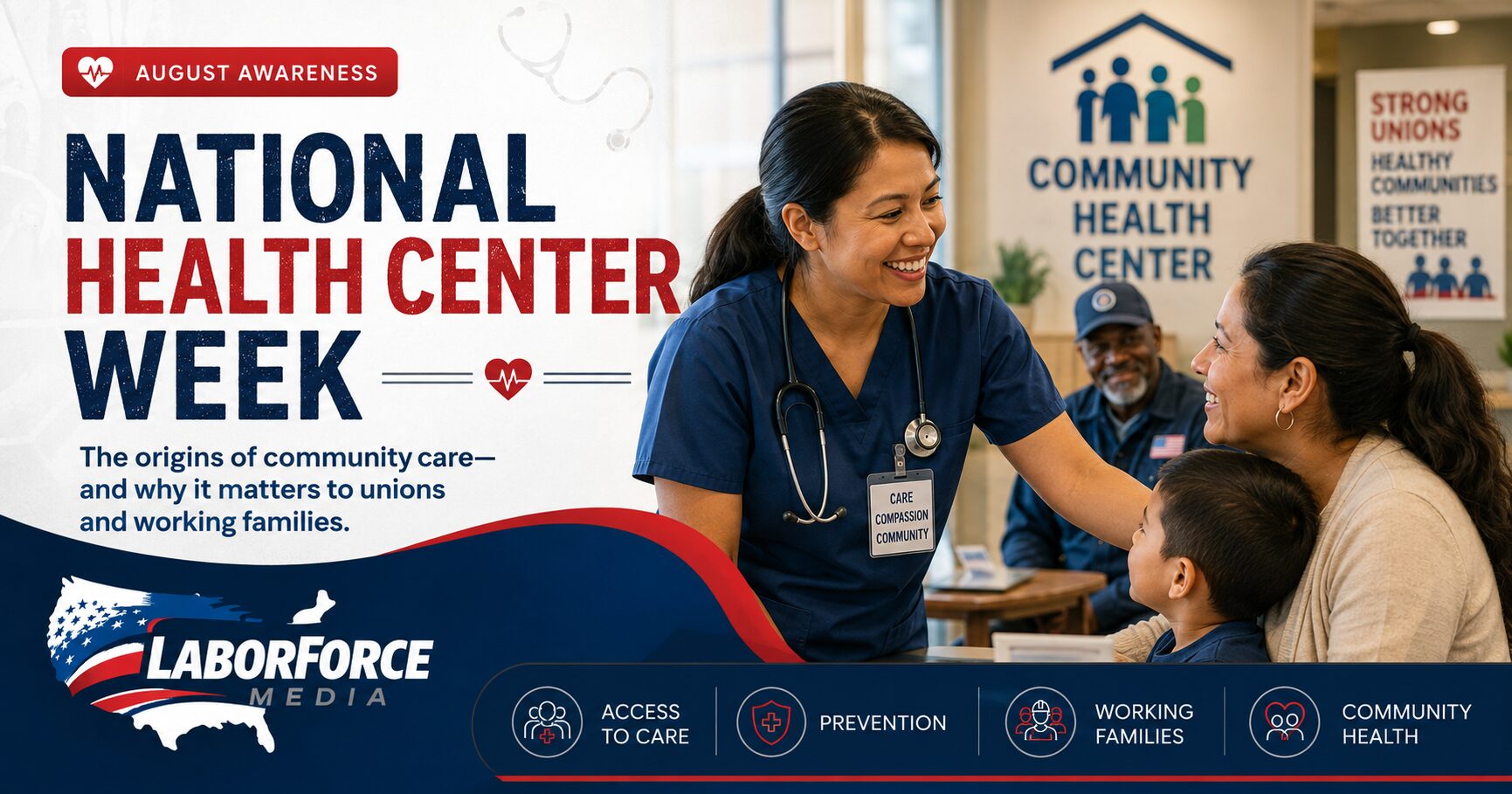
National Health Center Week, observed August 2–8 in 2026, recognizes the Community Health Centers that provide accessible primary care in neighborhoods across the United States. Sponsored each August by the National Association of Community Health Centers, the week honors the patients, healthcare professionals, board members, advocates, and community partners who sustain this national system of care. The 2026 theme is “Building Innovative Care Where It Matters Most.”
The Origins of Community Health Centers
The Community Health Center movement began in 1965, when America’s first Neighborhood Health Centers were established as demonstration projects under President Lyndon Johnson’s War on Poverty.
The centers were created by physicians, community advocates, and local residents who believed that access to healthcare was closely connected to economic stability, opportunity, and community well-being.
From the beginning, health centers were designed around local needs. Patient-majority governing boards gave residents a direct voice in how services were developed and delivered—a community-led structure that continues today.
National Health Center Week grew from the need to celebrate this work, raise public awareness, and remind policymakers of the role Community Health Centers play in America’s healthcare system.
What Community Health Centers Provide
Community Health Centers deliver comprehensive primary care in urban, suburban, rural, and medically underserved communities.
Depending on the location, services may include routine primary care, dental care, behavioral health support, preventive screenings, chronic-condition management, pharmacy services, nutrition assistance, and care for children and older adults.
HRSA-funded health centers currently serve approximately 32.4 million people through more than 16,000 service sites across the country. Their patients include one in eight children and one in five rural residents.
Why National Health Center Week Matters to Unions
For unions and working families, having health coverage does not always guarantee convenient access to care.
A member may have insurance but still struggle to find a nearby provider, schedule an appointment around a shift, locate behavioral health support, or manage the cost of care. These challenges can be especially difficult for seasonal workers, part-time employees, retirees, rural residents, and families living in communities with provider shortages.
Community Health Centers help close those gaps by offering a reliable local source of care. They can help workers address health concerns earlier, manage ongoing conditions, receive preventive services, and avoid relying on emergency departments for routine medical needs.
That connection also matters to union leaders. Accessible healthcare can support healthier members, stronger families, better attendance, and communities with more dependable local resources.
Community Care for Working America
Unions have always understood that economic security is about more than wages.
Working families also need safe workplaces, dependable benefits, affordable healthcare, and trusted institutions that understand the communities they serve.
National Health Center Week celebrates one of those institutions. It recognizes the people working every day to make quality care more accessible—and the families whose health, stability, and futures depend on it.
Tags: Community Wellness